
We are building
our platform
together.
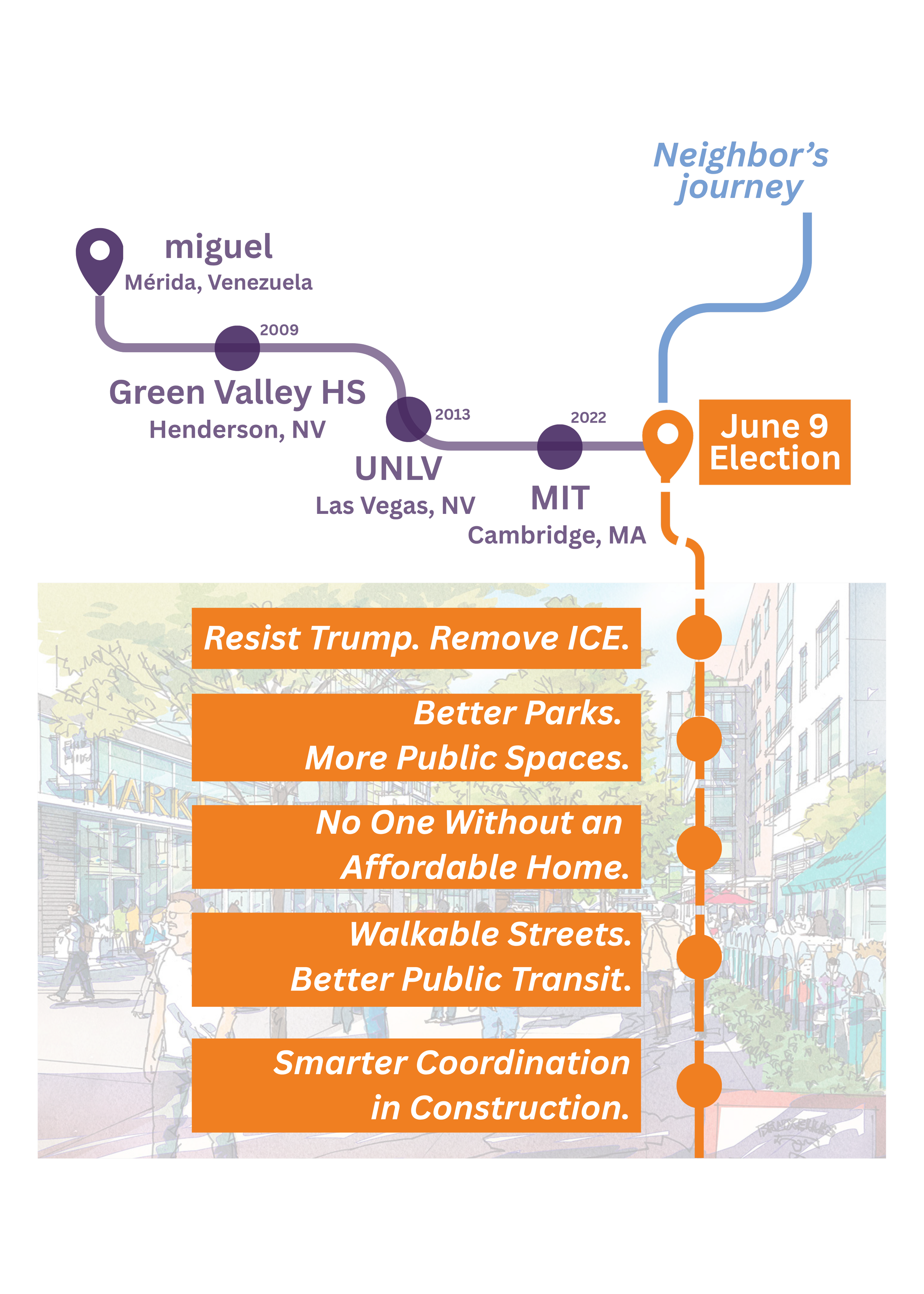
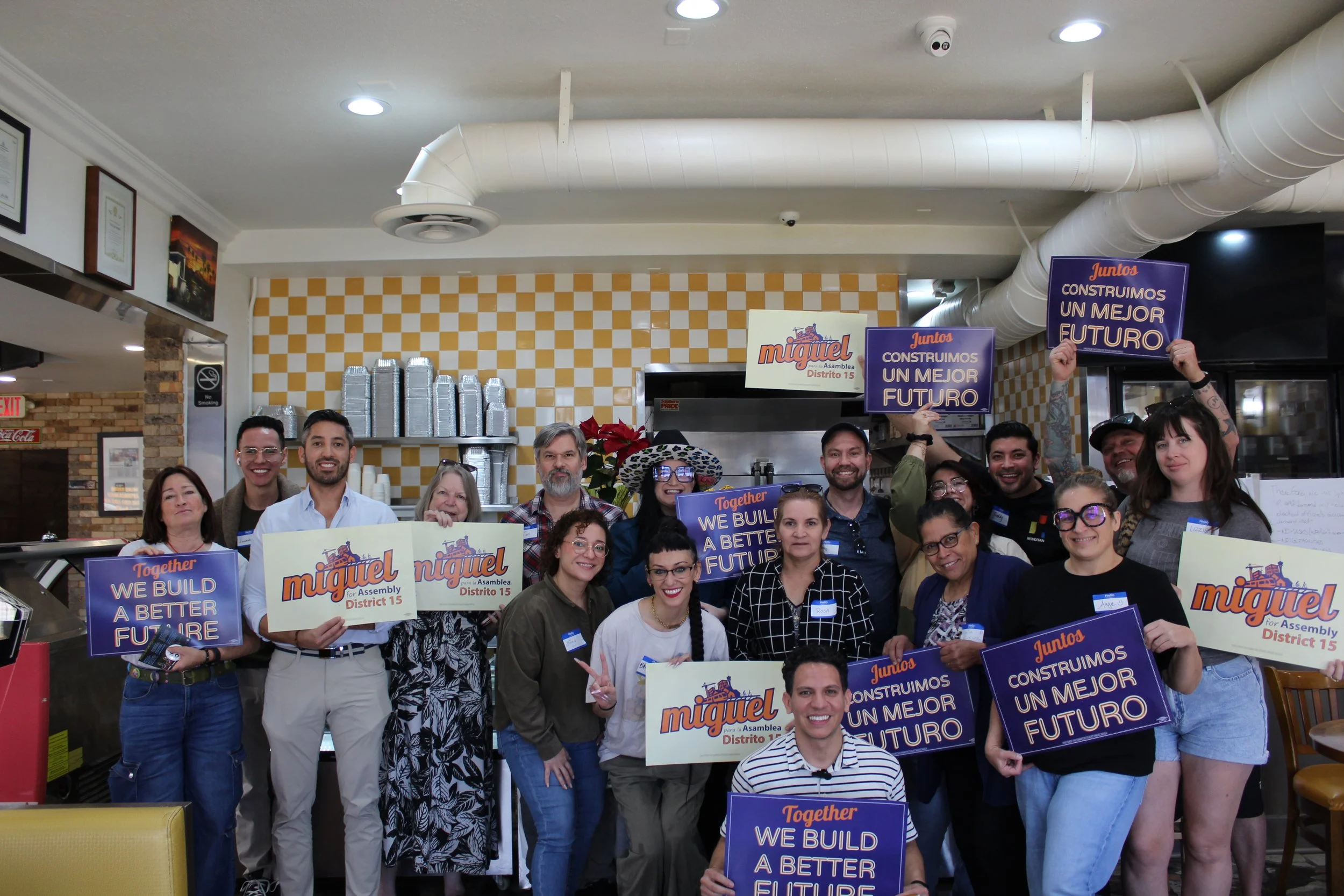
I am asking our neighbors what the future should look like, and this is what they have shared. The neighborhoods we deserve are free of threats from Trump and ICE. They have increased opportunities for neighborhood input, and they’re walkable, accessible, and affordable.
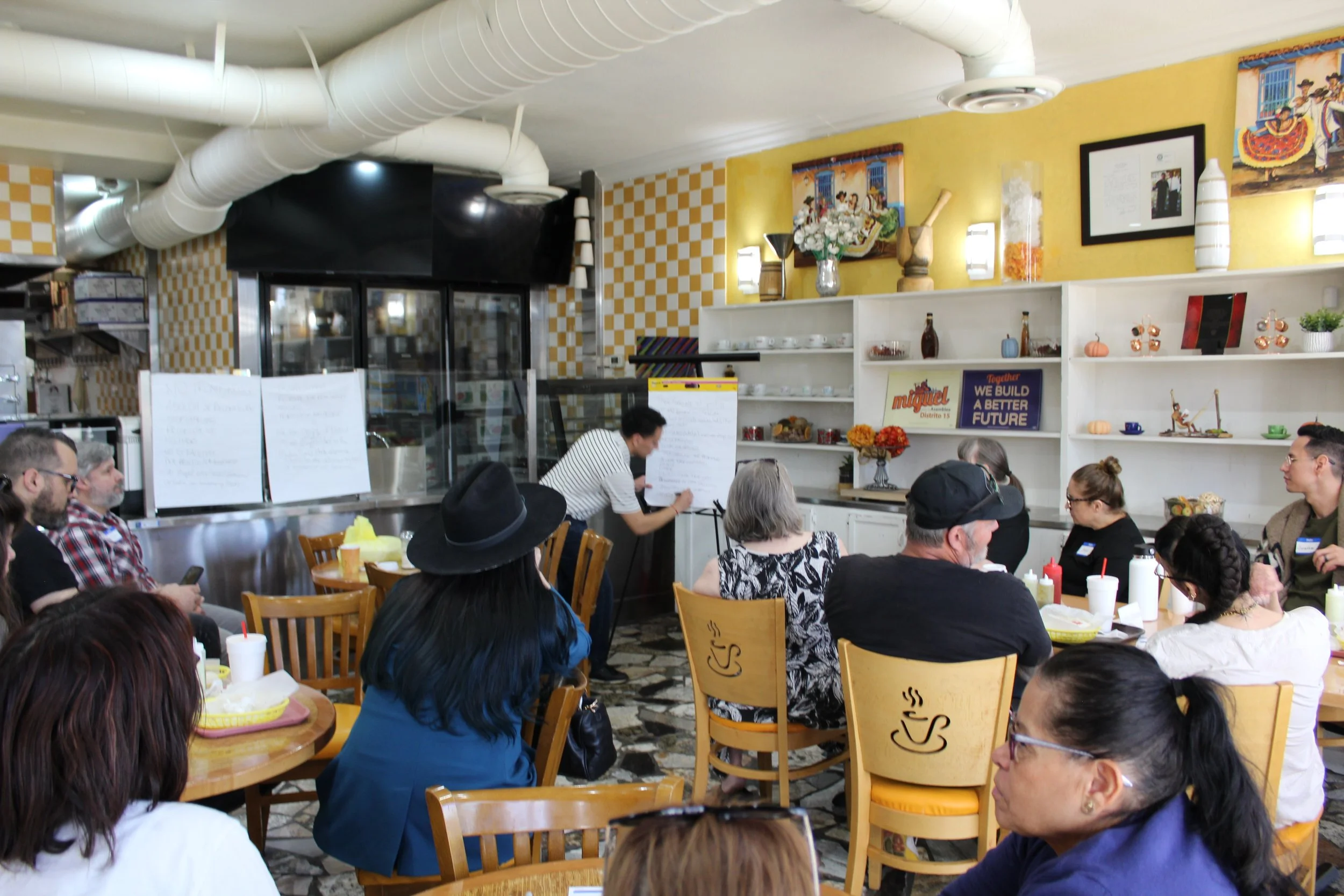
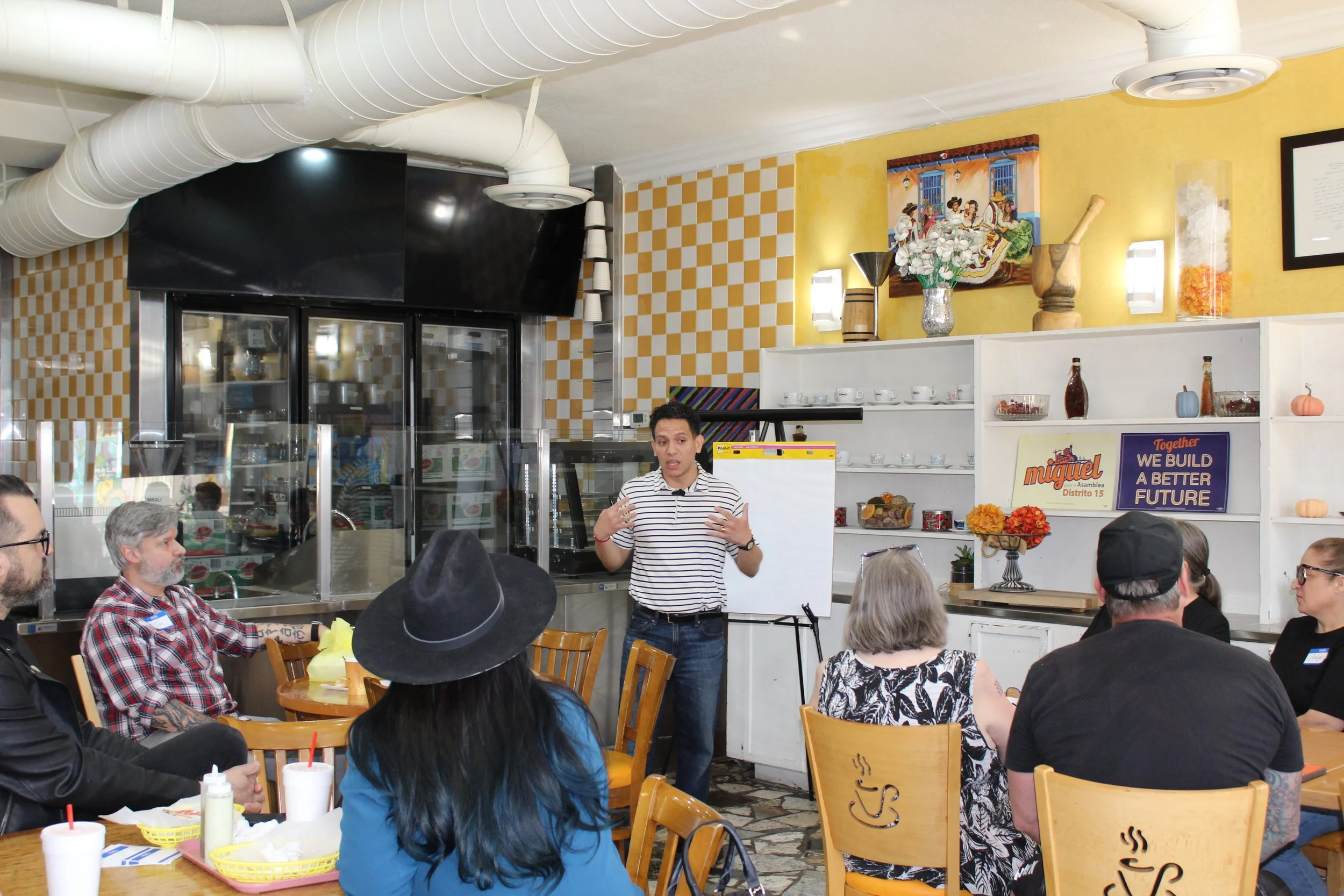
Solutions are suggested and vetted by neighbors in Community forums and discussions open to all. You can see the agreements I have facilitated and co-developed with neighbors below.
A discussion to build policies to ensure No One is without an Affordable Home is next and coming up soon! Stay tuned!
Resist Trump. Remove ICE.
Consistently, our neighbors have said we need to protect Nevada from the cruel whims of Donald Trump and his paramilitaries. In response, we brought together our Community, developed agreements, and co-drafted a set of policy ideas to counter Trump in Nevada. I’ve built an entire career on listening to the people I serve, and I am committed to continue listening and taking action as your future representative in the Nevada Legislature.
Below, you can see our ideas for a future where Nevada leaders fight back alongside everyday people.
End or reconfigure ICE operations in Nevada
ICE agents will not wear masks.
No ICE facilities in Nevada.
Ensure due process for our neighbors detained by ICE.
Stop profiling and labeling.
Adherence to our constitution to protect and defend citizens.
Restrictions in law enforcement’s data collection.
Transparency, access and oversight of contracts for private equity prisons.
Get money out of politics and prisons.
End Metro's harassment of legally protected activities, like the right to protest.
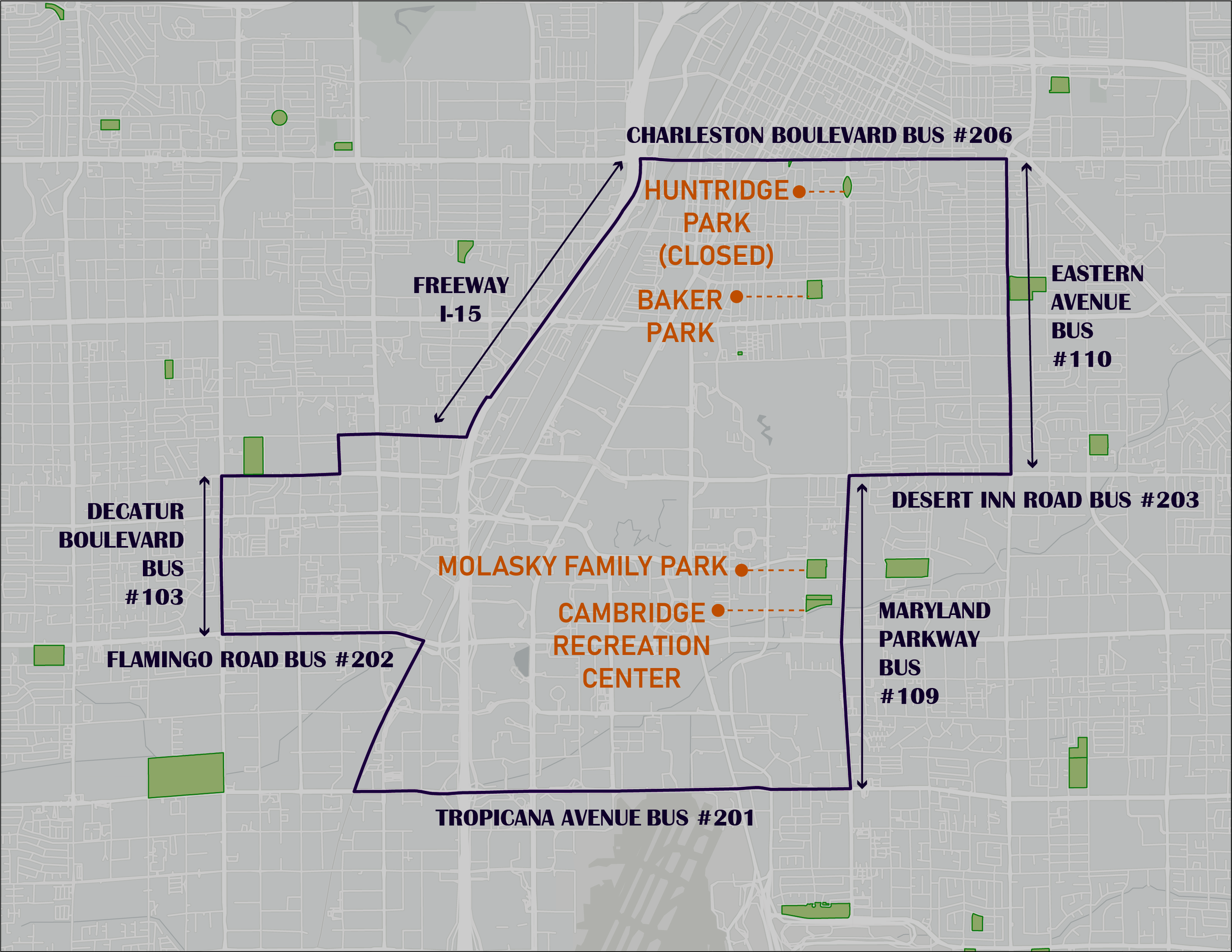
Better Parks. More Public Spaces.
How did a District with more than 60,000 people end up with only three parks? And why is one of our parks, Huntridge Circle Park, closed indefinitely?
Neighbors shared a vision for improved pedestrian access, inclusivity, and a stronger partnership between local government and Community members, such as the ongoing collaboration between Friends of Huntridge Park and City of Las Vegas. Below are the laws I committed to promote in order to make our vision of thriving public spaces across Nevada cities a reality:
Boost public involvement and education in park construction and maintenance budgeting
Establish green space minimums per resident
Facilitate the re-use of “brown” or underused lots as new green spaces
Reset minimum park size standards to encourage building more micro-parks
Reserve a portion of state economic development funding for redevelopment near urban parks
Partner with Community-Based Organizations to make all park closures temporary and set reopening dates
Create exchange programs with peer cities to share best practices for park safety and accessibility
And how are paying for enhanced safety and access? By requiring developers to reimburse local and state government for taxpayer-funded improvements in new neighborhoods
No One without An Affordable Home.
I have lived in Assembly District 15 for 11 years, and every single one of those years, our neighbors have repeatedly asked our leaders to address the growing issue of houselessness. Much of the response has been reduced to addressing the visible elements of the crisis, by removing unhoused people from parks and public rights-of-way, including in Downtown and the Las Vegas Strip.
What we have yet to do is address the structural challenges that keep housing inaccessible and expensive. Currently, Nevada relies heavily on the federal government to determine affordable housing and homelessness policies, leaving us overtly reliant on shelters and tax credits and increasingly vulnerable to any changes in the administration. With our leadership, Nevada will address housing insecurity in its entire spectrum to ensure everyone has an affordable and safe place to stay. Below are a few ideas for possible solutions.
Set up rent caps for seniors and other people with fixed incomes (idea provided by neighbor)
Establish property tax discounts for seniors and other people with fixed incomes (idea provided by neighbor)
Repurpose vacant commercial buildings for rapid housing while providing job training for unhoused people(idea provided by neighbor)
Create mixed-income and mixed-use housing on vacant lots and buildings
Expand access to rental assistance
Use land owned by local and state government and public funding to create land banks and land trusts that keep affordable housing permanently affordable
Require legible and easy-to-understand leasing agreements.
Expand shared housing and leasing support; vet participants with low incomes and match them with vetted homeowners
Leverage Medicaid funding to build Community Health Centers for more access to mental health and substance use treatment
Provide an accurate count of people experiencing housing insecurity, including people living in short-stay rentals, sleeping in jails and hospitals, and couch surfing.
Ensure a housing-first model to service provision for unhoused people so more people can be stable.
Safe, Walkable Streets. Better Public Transit.
In a district of 60,000 people, more than 20,000 of us are riding the bus, walking, or biking to get to school and work. Despite this fact, many of the deadliest streets for pedestrians and bicyclists in Nevada are in or around District 15. While the Legislature has taken approaches to address road safety through stronger traffic laws and penalties, more needs to be done to ensure everyone can use and access public rights of way safely. What’s more, we can make our walks and bike rides pleasant! See below for a few ideas for solutions.
Build mass transit (light rail, metro, or an improved monorail) using federal aviation funds, which can fully cover projects that connect to the airport.
Use tax credits and tax-increment financing so a portion of the rising property values from better streets and transit help pay for public transportation
Fund de-escalation and community-based approaches to neighborhood safety (idea provided by neighbor)
Plant more trees in neighborhoods and along streets to help cool the area (idea provided by neighbor)
Review eligibility for specialized transportation services and expand access for door-to-door public transportation for single moms with low wages
Review speed limits and markings in neighborhood streets, design quietways, and expand school safety zones, to reduce accidents (ideas developed during a Community conversation)
Place bus stops in safer locations to reduce mid-block crossings and protect riders
Increase bus frequency
Expand discounted bus passes for riders with low incomes
Improve safety at bus stops and along streets with better lighting, public art, and support for small businesses
Use available federal funds to susidize e-bikes for residents with low incomes
Design roads to reflect the needs of each neighborhood’s population
Mandate protected bike lanes on roadways with high prevalence of cyclist accidents
Provide gas tax and car insurance discounts for seniors and people with fixed incomes (idea provided by neighbor)
Smarter Coordination in Construction.
A few days ago, a neighbor told me, “it feels like our neighborhood has been under construction for 15 years!” Although many are grateful for the improvements, people lack information about the work being done and the timelines. Additionally, access to small businesses and pedestrian infrastructure is much worse during construction.
If we have to call our city or county representatives and wait for a call back every time there’s a problem, that means it’s time we create laws to ensure construction is less disruptive. The ideas below were developed during a recent Community meeting with City of Las Vegas. These and more ideas will be discussed with more neighbors soon!
Create a neighborhood-facing online portal and a canvassing program to ensure neighbors receive proper notice before and during the construction project work. The portal and the program will:
track complaints and issues logged and whether they have been addressed and by whom.
Track whether notice of work done was sent to neighbors and when.
Create a grounding rules document to ensure mutual respect between construction workers and neighbors and review any grounding rules’ violations throughout the project.
Ensure grounding rules’ violations are reviewed before any new government contract is issued or renewed.
Clarify accountability, responsibility, and response times so neighbors know who to reach out to and when we should hear back.
Mandate public meetings and properly notify neighbors of such meetings throughout the life of the construction project.